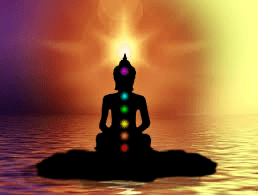
I tend to not believe in one or more gods due to the complete lack of evidence. Religious practices may be fulfilling, and belief in life-after-death is an optimistic, cheerful thought, but the total lack of material facts pointing to the actual existence of another realm leads me to the logical conclusion that most major religions, save Buddhism, are complete and utter myths.
Buddhism is the exception because Buddhism has no gods. Instead, it is a belief system about human suffering. The ultimate goal of Buddhism is to achieve enlightenment, which is an understanding of reality which allows one to be “free from suffering” (pbs.org). There are four noble truths, but they purport no imaginary realm or diety; these truths simply purport the nature of suffering.
Buddhism’s four noble truths are simply this: suffering exists, suffering is caused by desire, suffering can end, and it leads to the end of suffering. A complete understanding of these truths can lead one to achieve nirvana, which is a state attainable only with the elimination of all greed, hatred, and ignorance within a person (stanford.edu).
Religious practices may be fulfilling, and belief in life-after-death is an optimistic, cheerful thought, but the total lack of material facts pointing to the actual existence of another realm leads me to the logical conclusion that most major religions, except Buddhism, are complete and utter mythology. Buddhism is different from most religions in that Buddhism relies heavily on evidence and facts to support its claims, and it’s simple truths allow one to grasp a full understanding of the nature of suffering.
 Things We Forget
Leave a comment